 by
by What is nutrition?
Nutrition refers to the process by which an organism uses food to sustain life. Nutrition is the science that studies the nutrients present in food. Nutrition is the process by which an organism uses food to sustain life. It is the science that studies the nutrients present in food and how the body uses them for growth, energy, development, and maintaining all its functions. Simply put, it is about what you eat and how your body uses it to stay healthy.
The Importance of Nutrition
Proper nutrition is essential for overall health and development. A healthy diet provides many benefits, including:
- Improved health and development: It is directly linked to better infant, child, and maternal health and a stronger immune system.
- Disease prevention: Good nutrition helps reduce the risk of chronic, non-communicable diseases such as diabetes, heart disease, and some cancers.
- Increased productivity: People with adequate nutrition are more productive and have better mental focus.
- Healthy weight management: A balanced diet rich in fruits, vegetables, and whole grains helps maintain a healthy body weight.
Nutrition for Kids of All Ages
It’s not enough to simply feed children; it’s also important to understand their nutritional needs at different ages. Their bodies grow and change as they age, and a healthy, balanced diet is essential to support their growth and development.
1.Nutrition for Young Children (ages 1-3)
At this age, children’s brains and bodies develop rapidly. During this time, their nutritional needs are quite different from those of a toddler.
a) Brain Development
The brains of children between the ages of 1 and 3 years old are developing rapidly. Their brains are constantly increasing in size and stability. This development requires a healthy diet rich in healthy fats.
Learn why healthy fats are important? They support the formation and function of healthy brain chemicals (brain cells) and the nervous system (nervous system). These fatty acids act as building blocks for brain development.
What should be fed?
At this age, children need not only healthy fats but also nutrients. Their diet should have the right balance of these ingredients:
Healthy fats: Avocados, whole milk (full-fat milk), yogurt, and some types of nuts (if baby is from dairy) contain a good amount of healthy fats.
Protein : Protein is very important for body growth and vitamin absorption. Foods like eggs, pulses, cheese, and chicken are good sources of protein.
Carbohydrates: These provide energy for children to learn and study. Whole grains (whole grains), bread, and rice provide vssa good amount of carbohydrates.
Fruits and Vegetables: These are storehouses of vitamins, vitamins and vegetables, which improve their immunity and digestion.
2. Nutrition and Development for Preschoolers (Ages 3-5)
This stage is very important for preschoolers because their physical and mental growth is rapid. Meeting their nutritional needs and teaching them healthy habits is the biggest goal during this time.
a) Variety in Food 🥕🥦🍎
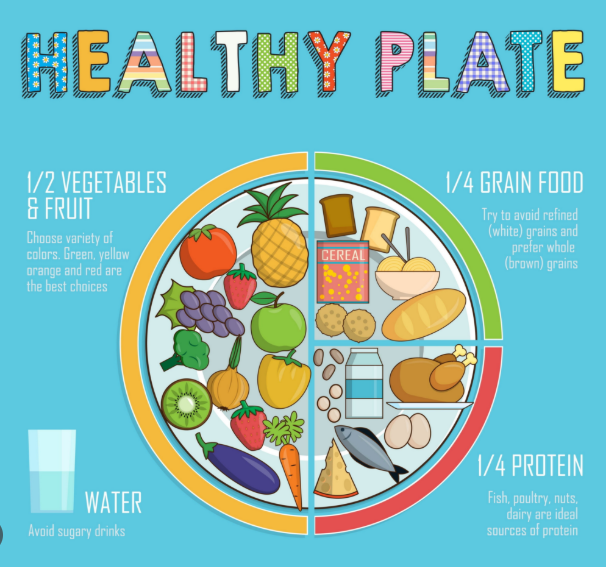
At this age, it’s important to introduce new things to children. Include vegetables and fruits of different colors on their plate. This is not only for nutrition but also for brain development, as children recognize and understand new textures and tastes. If they refuse something, try offering it again, as it often takes time for children to accept something new.
b) Healthy Habits
This age is the best time to teach children healthy eating habits. Encourage them to sit with your family at mealtimes. Explain how food is prepared and why it is important for their body. Limit unhealthy snacks like chips, cookies, and candy and replace them with healthy alternatives like fruit, yogurt, or nuts.
c) Active Play 🏃♀️🤸♂️
Preschoolers are naturally energetic. Along with nutrition, active play is an essential part of their development. Running, jumping, cycling, or playing in the park strengthens their bones and muscles. Active play also helps them maintain a healthy weight and channel their energy. These habits, from childhood, lead them to a healthy lifestyle.
3. Nutrition for School-Age Children (6-12 Years)
Children this age are really busy! School, homework, socializing, and playing—they need consistent and stable energy for everything they do throughout the day.
a) Good Energy Friend (Whole Grains):
Children need energy that doesn’t run out quickly. Whole grains (like oats, brown rice, or whole-wheat bread) are digested slowly. They’re not like gasoline that burns quickly; they’re like diesel, providing them with long-lasting, stable energy. This gives them the stamina to concentrate and play in class.
b) Muscle-Building Heroes (Lean Protein):
Since these children are actively growing, protein is essential for building their muscles and body. Foods like lentils, eggs, low-fat cottage cheese, or lean chicken keep them feeling full for longer, preventing unnecessary snacking between meals.
c) Colorful, Immune-Boosting Superheroes (Fruits and Vegetables):
To keep children healthy and strengthen their immune systems, vitamins and minerals are a non-negotiable. The more colors you add to their plate (green spinach, red tomatoes, yellow bananas), the more protection they will have.